Cancer Rehab: Getting Stronger with Help from More Than Oncologists

Cancer rehabilitation is essential in helping survivors regain strength, improve quality of life, and support long-term health after treatment. This article explores key components of rehabilitation, including physical, occupational, and speech therapy, along with the vital role of oncologists. It also highlights the importance of personalized care plans, community resources, peer support, and holistic healing. Through a collaborative approach, survivors can overcome challenges and embrace recovery, fostering resilience and well-being throughout their journey after a cancer diagnosis.
Understanding Cancer Rehabilitation
Understanding cancer rehabilitation is essential for enhancing the quality of life and survivorship care for cancer survivors. Cancer rehabilitation comprises a comprehensive range of services aimed at supporting patients throughout their recovery journey.
This multifaceted approach incorporates physical therapy, nutritional counseling, emotional support, mental wellness programs, and holistic care, all tailored to the specific needs of individuals undergoing cancer treatment. By integrating various rehabilitation strategies, including exercise, psychosocial support, patient education, and lifestyle changes, healthcare providers can enable cancer survivors to reclaim their strength and resilience.
This ultimately contributes to their overall well-being, incorporates stress reduction techniques, and promotes long-term health outcomes.
The Role of Rehabilitation in Cancer Treatment
The role of rehabilitation in cancer treatment is essential for enhancing patients’ physical and emotional well-being, as well as improving their overall quality of life both during and after treatment. Rehabilitation specialists collaborate closely with oncologists to develop integrative medicine approaches that address the diverse needs of cancer survivors, including telehealth and advocacy. Facilities such as the Sarcoma Oncology Center incorporate rehabilitation as part of a broader care approach, reflecting the growing recognition of its role in supporting recovery. This collaborative effort not only promotes resilience but also equips patients with the necessary coping strategies to navigate the challenges associated with cancer recovery.
What is Cancer Rehabilitation?
Cancer rehabilitation supports individuals in their recovery after treatment through a holistic approach that promotes overall wellness. Personalized physical therapy helps rebuild strength and endurance, while emotional support addresses anxiety and depression common after diagnosis. Mental health professionals and support groups offer a safe space for healing and coping. Nutritional guidance is also essential, as a balanced diet enhances healing, boosts energy, and improves body image. By addressing these key elements—physical, emotional, and nutritional—cancer rehabilitation fosters resilience, supports recovery, and improves quality of life for those navigating life after cancer.
Benefits of Cancer Rehabilitation
Cancer rehabilitation offers benefits beyond physical recovery, enhancing emotional well-being, health outcomes, and overall quality of life for survivors. Tailored fitness programs, pain management, emotional support, and functional activities address both physical limitations and emotional resilience. Holistic care, including lifestyle changes, nutritional counseling, and patient education, empowers individuals throughout recovery. Many survivors report improved emotional health after joining structured support groups that provide shared experiences and coping strategies. Pain management techniques—such as mindfulness, exercise, and medication adjustments—help reduce discomfort and encourage active participation.
One survivor, Sarah, regained mobility and confidence through a cancer-focused fitness program, highlighting how rehabilitation restores not only strength but self-esteem. These real-life examples show how comprehensive cancer rehabilitation builds supportive communities, fosters emotional stability, and promotes healthier lifestyles, helping survivors navigate life after diagnosis.
Collaboration with Oncologists
Collaboration with oncologists and oncology nurses is essential for effective cancer rehabilitation, ensuring a patient-centered approach that meets each survivor’s unique needs. Through open communication, rehabilitation specialists and personal trainers tailor interventions to support both physical recovery and emotional well-being. This team-based strategy fosters comprehensive care plans that address medical, physical, and psychological challenges. It also enhances patient engagement, as survivors feel heard and their preferences respected. As a result, individuals are more likely to follow rehabilitation protocols, adopt healthier lifestyles, and experience improved recovery outcomes after cancer treatment.
Types of Cancer Rehabilitation
Cancer rehabilitation encompasses a range of therapeutic modalities tailored to address the specific needs of cancer survivors.
These modalities include:
- Physical therapy
- Occupational therapy
- Speech therapy
- Palliative care
Each aimed at enhancing the quality of life, facilitating recovery, and addressing treatment side effects for individuals who have undergone cancer treatment.
Physical Therapy
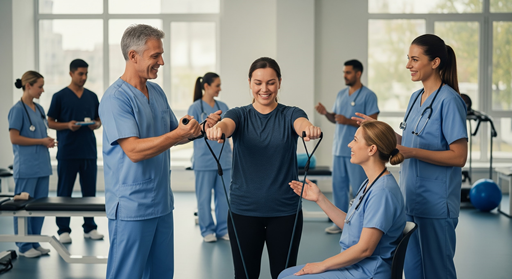
Physical therapy plays a critical role in cancer rehabilitation by helping restore physical function through individualized exercise and strength training programs. These therapies address the unique needs of cancer survivors, working to improve mobility, reduce pain, manage fatigue, and enhance overall quality of life. Rehabilitation strategies often involve flexibility exercises, resistance training, and cardiovascular activities—key components in addressing the physical challenges that can arise after cancer treatment.
In conjunction with physical therapy, complementary approaches such as mobile acupuncture and holistic health services have become increasingly integrated into recovery plans. In-home acupuncture, as practiced by providers like California Mobile Acupuncture, offers a convenient way for individuals to receive supportive care in a familiar setting. This form of therapy can assist with pain relief, reduce stress, and contribute to emotional balance—all of which are valuable during rehabilitation.
Encouraging survivors to maintain consistent physical activity not only fosters a sense of control and accomplishment but also helps reduce long-term complications. Educating patients on safe movement practices and the role of exercise in preventing muscle deterioration can significantly support their long-term health and recovery.
Occupational Therapy
Occupational therapy helps cancer survivors regain the skills and confidence needed for daily activities and independent living. Through personalized exercises and counseling, survivors rebuild strength, endurance, and essential life skills like cooking, cleaning, and personal care. Therapists assess challenges in home and community environments, providing techniques to improve function and confidence. Beyond physical recovery, occupational therapy fosters emotional resilience, empowering individuals to navigate life after treatment with greater independence and a renewed sense of capability through focused rehabilitation goals.
Speech Therapy
Speech therapy is essential for cancer survivors facing communication or swallowing difficulties after treatment. Issues like dysarthria, affecting speech clarity, and dysphagia, which makes swallowing challenging, can greatly impact quality of life. Speech therapists use targeted exercises to strengthen oral muscles and improve articulation, helping survivors regain confidence in their communication. Tools such as speech-generating devices and swallow assessments further support safe eating and effective communication, playing a vital role in recovery and enhancing overall well-being after cancer treatment.
Palliative Care
Palliative care is a vital part of cancer rehabilitation, focusing on symptom relief, emotional well-being, and improving quality of life. Unlike traditional rehabilitation, it emphasizes holistic, compassionate support rather than solely prolonging survival. Through personalized care, medical social work, and alternative therapies like yoga, palliative care addresses both physical discomfort and emotional challenges. By managing pain and reducing anxiety or depression, it nurtures the body and spirit, helping individuals cope with the complex challenges of cancer with dignity and improved well-being.
Creating a Cancer Rehabilitation Plan
Developing a cancer rehabilitation plan requires a collaborative approach that encompasses a comprehensive assessment, goal setting, and the identification of suitable treatment options tailored to the individual needs of each patient, supported by family support and survivorship care plans.
Assessment and Goal Setting
Assessment and goal setting are vital first steps in creating a personalized cancer rehabilitation plan that supports recovery. Through motivational interviewing, health coaching, and various assessment tools—such as functional status evaluations, quality of life surveys, and psychological assessments—healthcare providers identify each survivor’s unique needs. This collaborative process helps set realistic, meaningful recovery goals aligned with the individual’s abilities and aspirations. By integrating cancer awareness and holistic care, the plan addresses not only physical recovery but also emotional and psychological well-being for a truly comprehensive approach.
Treatment Options and Timeline
Determining the appropriate treatment options and establishing a timeline for cancer rehabilitation is essential for effective recovery, accounting for post-treatment care and self-care strategies. This process typically involves a comprehensive assessment of the patient’s unique medical history, current health status, and specific treatment objectives.
Cancer rehabilitation may encompass a variety of methods, including:
- Physical therapy
- Nutritional counseling
- Psychological support
- Pain management strategies
Each of these components can be customized to address the individual needs of the patient, thereby ensuring a more holistic approach to recovery, including physical rehabilitation and community health. For example, some patients may require more extensive physical rehabilitation to regain strength and mobility, while others may benefit from psychological therapies to manage emotional challenges, reflecting the diversity of cancer types and treatment options.
The significance of an individualized approach cannot be overstated, as it plays a crucial role in enhancing treatment outcomes and improving the overall quality of life following cancer therapy, supported by health workshops and goal-setting.
Supporting Recovery and Long-Term Health
Supporting the recovery and long-term health of cancer survivors requires a comprehensive approach that incorporates self-care strategies alongside the effective use of community resources, including pain relief and addressing health disparities.
Self-Care Strategies
Self-care strategies are crucial for cancer survivors, encompassing wellness practices that promote nutrition, exercise, and emotional health, supported by patient navigation and lifestyle interventions. These practices can significantly enhance quality of life and improve overall recovery outcomes, aiding in chronic illness management and cancer research. For example, incorporating a balanced diet rich in antioxidants and essential nutrients aids in rebuilding strength and supporting the immune system.
Alongside nutrition, engaging in regular physical activity—such as walking, yoga, or swimming—can increase energy levels, reduce fatigue, and promote mental clarity, reflecting evidence-based practice and self-advocacy. Emotional well-being is equally important, whether through mindfulness techniques, support groups, or professional mental health care when needed. For those facing more complex challenges, such as anxiety, depression, or psychosis, working with a qualified psychiatrist for psychosis can provide essential support and guidance.
Collectively, these self-care strategies create a holistic approach that enables individuals on their journey to recovery, strengthened by family dynamics and community outreach.
Community Resources and Support Groups
Community resources and support groups are vital for cancer survivors, offering peer support, valuable information, and promoting healthy lifestyles. These resources create safe spaces for sharing experiences, reducing isolation, and building lasting connections. Support groups, whether in-person or online, help survivors express emotions, exchange coping strategies, and celebrate milestones. Community organizations also provide educational workshops, wellness programs, and activities that encourage active participation and overall health. These services, combined with caregiver involvement and access to resources like clinical trials, enhance recovery, promote treatment adherence, and support the emotional and physical healing process.