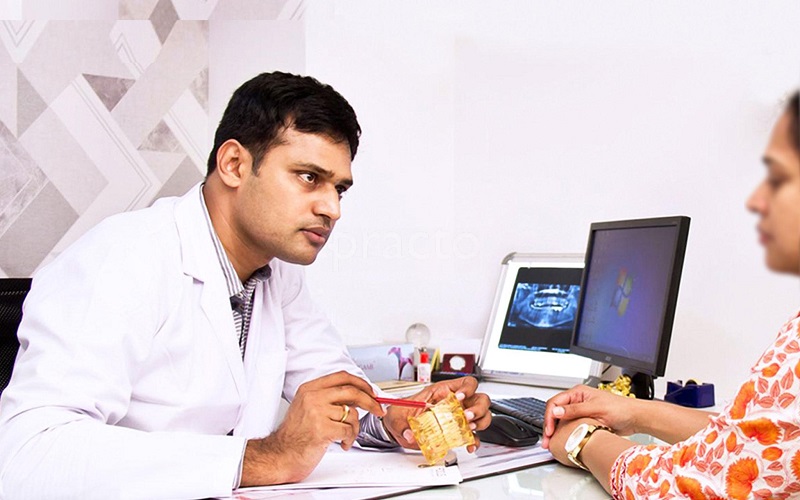
A Leading London Cosmetic Dentist Explains the 7 Keys to a Balanced Smile


People often arrive at clinics with one specific concern, such as a chipped incisor or a missing molar, but the real work of cosmetic dentistry is to consider how each element of the mouth works together. From the shape of the lips to the line of the gums and the way teeth meet, a balanced smile depends on harmony rather than perfection. That is why a good cosmetic dentist will look beyond quick fixes and consider longer-term stability, chewing efficiency, and how your smile sits within your face as you speak and laugh.
In London, patients also have higher expectations and more options than ever before. Whether someone is exploring whitening, orthodontics, veneers, or a dental implant London solution after tooth loss, they want results that look natural and last. This has shifted the focus from purely cosmetic treatments to comprehensive smile design. A balanced smile should age well, stay comfortable, and avoid putting strain on the jaw or remaining teeth. Understanding the principles behind this balance helps patients make better decisions and avoid treatments that solve one issue while creating another.
A cosmetic dentist from MaryleboneSmileClinic notes that many patients underestimate how small changes can affect overall balance. “We often see people who want one tooth altered, but once we show them how it connects to their bite and facial structure, they understand the value of a wider plan,” he explains. He advises anyone researching options to click here on the clinic’s website or visit this site for clear, evidence-based information about treatment pathways and long-term outcomes, rather than relying on social media trends or price-led advertising.
Key One and Two: Tooth Proportion and Facial Symmetry
The first two keys to a balanced smile are tooth proportion and facial symmetry, which are closely linked. Teeth that are too long, too wide, or out of scale with the lips and jaw can draw attention in the wrong way, even if they are technically well made. Cosmetic dentists in London often use digital imaging and face scans to assess how the teeth sit within the wider facial frame. This approach helps avoid the common problem of veneers or crowns that look bulky or artificial. When the proportions are right, the smile looks effortless, and people tend to focus on the person rather than the dentistry.
Facial symmetry also plays a role in how balanced a smile appears. Most people do not have perfectly symmetrical faces, but small adjustments in tooth shape, gum contour, and alignment can make a noticeable difference. For example, levelling a slightly uneven gum line or adjusting the edges of the front teeth can bring the two sides of the smile into better harmony. This is why a balanced smile is often more about subtle refinement than dramatic change. London patients, in particular, tend to prefer results that look understated and professional, rather than overtly cosmetic.
These two keys also influence functional comfort. When teeth are proportioned correctly, they meet more evenly, reducing the risk of excessive wear or jaw strain. That means fewer headaches, less grinding, and a lower chance of needing corrective treatment later. A cosmetic dentist will therefore look at how the upper and lower teeth interact, not just how they appear in a photograph. By combining proportion and symmetry, the foundation of a balanced smile is established, allowing other treatments to build on a stable base.
Key Three and Four: Gum Health and Bite Alignment
Gum health is often overlooked in cosmetic dentistry, yet it is one of the most important elements of a balanced smile. Healthy gums frame the teeth in the same way that a good picture frame supports a painting. In London, where many adults have a history of gum disease or inconsistent dental care, addressing inflammation and recession is often the first step before any aesthetic work begins. Red, swollen, or uneven gums can undermine even the best crowns or veneers, making them look unnatural and shortening their lifespan.
A balanced smile requires gums that are firm, pink, and evenly contoured. Modern cosmetic dentistry uses gentle techniques to reshape or stabilise the gum line when needed, creating a cleaner and more symmetrical appearance. This is not just about looks. Healthy gums protect the roots of the teeth and help maintain bone levels, which are essential for long-term oral stability. Without this support, teeth can loosen or shift, undoing the results of cosmetic treatment.
Bite alignment is the fourth key and is equally critical. When the upper and lower teeth do not meet properly, it can lead to uneven wear, cracked restorations, and jaw discomfort. Many Londoners live with mild bite problems that go unnoticed until they invest in cosmetic work. A responsible dentist will check for these issues before proceeding, sometimes recommending orthodontic adjustment or bite correction as part of the plan. This ensures that new restorations are not subjected to excessive force and that chewing remains comfortable.
Together, gum health and bite alignment support both the appearance and function of a balanced smile. They create a stable environment in which cosmetic treatments can succeed, reducing the risk of complications and the need for repeat work in the future.
Key Five: Colour Harmony and Natural Aesthetics
Tooth colour is one of the first things people notice about a smile, but balance is about harmony rather than extreme whiteness. In London, where professional and social settings often overlap, overly bright teeth can appear out of place. A balanced smile uses shades that complement skin tone, eye colour, and even the whites of the eyes. Cosmetic dentists carefully select materials and whitening levels to achieve a result that looks fresh without appearing artificial.
Natural aesthetics also involve the way light reflects off the teeth. Enamel has a subtle translucency that gives real teeth their depth and character. High-quality restorations mimic this effect, avoiding the flat, opaque look associated with older dental materials. This is particularly important for front teeth, which are most visible when speaking and smiling. When colour and translucency are handled well, the smile looks healthy and believable, even under close inspection.
Another aspect of colour harmony is consistency across the mouth. A single bright crown among slightly darker natural teeth can disrupt balance just as much as uneven alignment. This is why dentists often suggest whitening or shade adjustments alongside restorative work. In cases where teeth are missing, modern solutions such as implants are designed to blend seamlessly with surrounding teeth. A well-planned dental implant London treatment, for instance, will consider not only the shape of the replacement tooth but also its colour and how it fits into the overall smile.
By focusing on colour harmony and natural aesthetics, cosmetic dentistry supports a balanced smile that enhances a person’s appearance without drawing attention to the dental work itself.
Key Six: Tooth Replacement and Structural Support
Missing teeth affect far more than appearance. They change the way the bite functions, how the jawbone is supported, and how the lips and cheeks are held in place. Over time, gaps can lead to bone loss and a collapsed facial profile, making a person look older and altering their smile. Replacing missing teeth is therefore a key part of achieving and maintaining balance. In London, patients have access to advanced solutions that restore both form and function, helping to preserve the structure of the face.
Dental implants have become a widely used option because they replace the tooth root as well as the visible crown. This provides stability and helps maintain bone levels in the jaw. When planned carefully, an implant-supported tooth feels and looks much like a natural one, supporting a balanced bite and preventing neighbouring teeth from drifting. While bridges and dentures still have a place, implants offer a more fixed and long-term solution for many patients.
Structural support also extends to the way teeth are distributed across the mouth. Each tooth has a role in chewing and in sharing the load of the bite. When one is missing, others take on extra pressure, which can lead to cracks or wear. By restoring the full set, dentists help protect the remaining teeth and keep the smile in equilibrium. This structural balance is as important as visual symmetry, ensuring that cosmetic improvements are not undermined by functional problems later on.
A balanced smile, therefore, is not just about what you see in the mirror but about how well the mouth works as a whole, supported by thoughtful tooth replacement where needed.
Key Seven: Long-Term Maintenance and Professional Care
The final key to a balanced smile is ongoing maintenance. Even the best-designed cosmetic work relies on regular care to stay in good condition. In London, where busy schedules can make routine appointments easy to postpone, this aspect is often underestimated. Professional cleaning, check-ups, and occasional adjustments help protect both natural teeth and restorations, catching small issues before they become major problems.
Long-term maintenance also involves good daily habits. Effective brushing, flossing, and the use of appropriate dental products support gum health and prevent staining. Patients who invest in cosmetic dentistry are usually motivated to look after their smiles, but they still need guidance tailored to their specific treatments. For example, some whitening products may not be suitable for certain restorations, and some mouthguards are recommended for people who grind their teeth at night.
A balanced smile should remain comfortable and attractive over many years, not just in the weeks after treatment. This requires a partnership between patient and dentist, based on realistic expectations and regular communication. When maintenance is built into the plan from the start, cosmetic results are more stable and more satisfying.
In a city with as many dental options as London, understanding these seven keys helps patients choose treatments that support lasting balance. By focusing on proportion, symmetry, health, and structure, a smile can be designed to look natural, function well, and stand the test of time.